Adventure · Science Fiction · Action
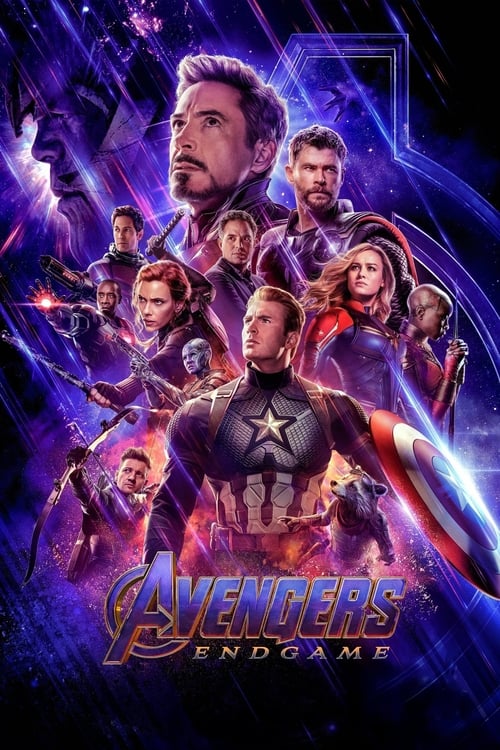
Avengers: Endgame
American
2019 · Directed by Anthony Russo & Joe Russo · 181 min


Adventure · Science Fiction · Action
American
2019 · Directed by Anthony Russo & Joe Russo · 181 min













Meaning, unpacked
Central idea
The film can be read as a story about what heroism looks like after failure: grief, responsibility and the price of getting a second chance, wrapped in a spectacle that doubles as a farewell to its cast.
What it means
Five years after half of all life vanished, the surviving heroes try to undo it by travelling through time, and it costs them dearly. That cost is what the film is really about: what heroism looks like after failure, when people who lost must keep living. The spectacle doubles as a farewell to its cast, and to you.
The five-year gap lets each character grieve differently. Some withdraw, some fall into routine, some turn to excess or obsession, and the film treats none of it as weakness. Sacrifice runs through the story too, and it keeps asking whether sacrifice is a duty, a choice or an escape. Home life, once a retreat from the superhero world, becomes what they are fighting for and what they must risk. In the end, endings hurt because the story mattered, and letting go is how you honour it.
Why it mattered
Endgame closed a story that had been building since Iron Man in 2008: eleven years and 22 films, paid off in one go. No earlier film had tried to resolve so many linked features, characters and actors at once. It was also the defining example of the shared-universe model, where one studio builds a single story across many films and treats the cinema release as a shared event.
It also dared to be slow and sad. Thor, broken and overweight, is played for comedy and real depression at once, which sets the film's range. The writers split three hours into movements with different genres and tones, so it feels like several films, each closing a different thread. It was shot back to back with Infinity War, with both scripts planned together.
Before anyone tells you what to think: what did you make of it?
Log in to rate it and leave commentsIt takes one click with Google or an email link. You come straight back here.
Rate it, keep your notes, and find the next film.
Free, no ads. Your journal, your lists, a Cine Guide that remembers you.
Create your free spaceEndgame confirmed the event-film model of years-long serial storytelling and shaped how studios planned franchises, including Marvel's own later storylines and the streaming series that followed. Other studios copied its shared-universe structure, with less success. Fans organised group screenings and filmed their reactions to the portals scene. Lines like "Avengers, assemble" and "I love you 3000" became shared shorthand.
Critics were largely positive, praising its emotional payoffs, its performances and its ambition. Reservations focused on its reliance on prior knowledge and its time-travel logic, and fans still argue about those rules, about Steve Rogers's ending and about Black Widow's fate. Today it is seen as the high point of the shared-universe model, and also a hard act to follow. It earned one Oscar nomination, for visual effects, and no wins.
What happens
Tony uses the Stones to destroy Thanos and his army, dying as he does. After his funeral, Steve returns the Stones, stays in the past with Peggy, and returns as an old man to give his shield to Sam.
The last image
An elderly Steve sits on a bench and hands his shield to Sam, passing the role to a new generation.
What it says
The ending shows heroism after failure as sacrifice and letting go. Tony gives everything, and Steve finally chooses a life of his own. Both exits are farewells, to the characters and to you, since endings hurt because the story mattered.
Or follow an idea from this film

Continue the director
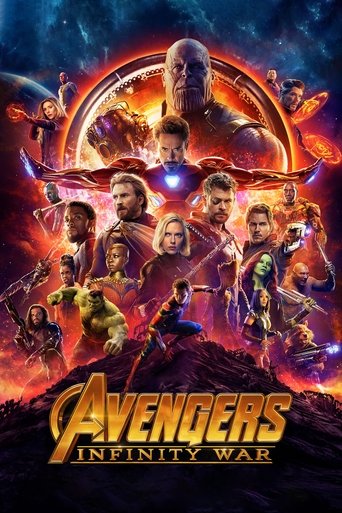
Avengers: Infinity War (2018)
The Russos' direct first half. It is the necessary setup, and seeing the two together reveals how one story was planned across two films.
Compare another approach
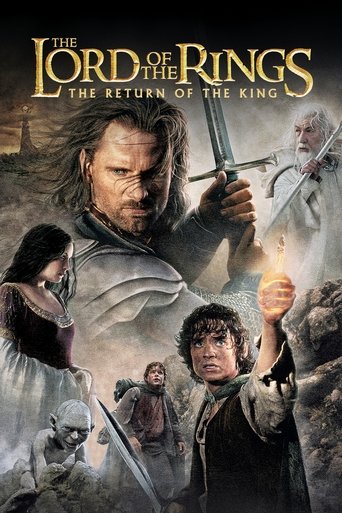
The Lord of the Rings: The Return of the King (2003)
Another finale of a long saga, with a similar emphasis on ensemble farewells and a long, deliberate closing movement.
Follow the idea
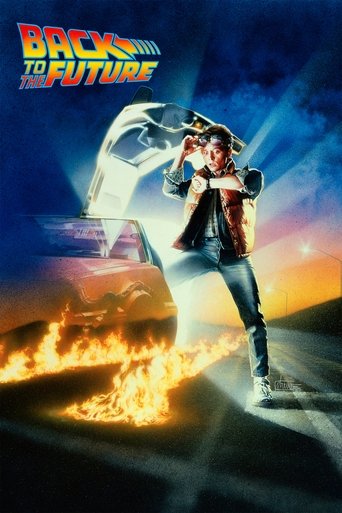
Back to the Future (1985)
A classic model of time travel as comedy and emotion. Its composer, Alan Silvestri, also scored Endgame.
Explore the era or movement
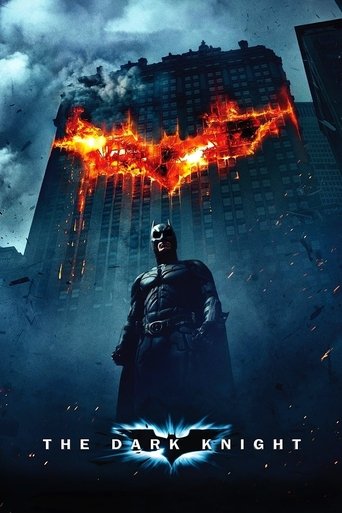
The Dark Knight (2008)
Shows how a superhero film could aim for crime-drama seriousness in the years just before the Marvel series built its shared universe.

Jump forward
Everything Everywhere All at Once (2022)
Uses multiverse ideas for a family story about regret and connection, showing the idea moving beyond the superhero franchise.