Drama
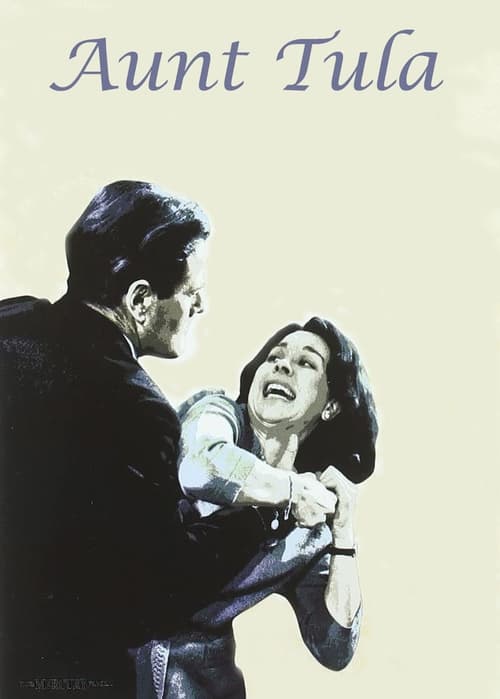
Aunt Tula
Spanish (La tía Tula)
1964 · Directed by Miguel Picazo · 103 min


Drama
Spanish (La tía Tula)
1964 · Directed by Miguel Picazo · 103 min
Meaning, unpacked
Central idea
The film can be read as an anatomy of repression: a woman who refuses desire, in a society that prizes that refusal, and who may find power in it. Its question is what that power costs her and everyone around her.
What it means
Aunt Tula is about a woman who says no, and about what that no gives her and takes from her. Tula takes charge of a household and its children. She refuses desire, and she is admired for refusing. The film asks not whether she is good, but what her power costs her, and everyone around her.
Desire is spoken aloud only once, in Ramiro's declaration, and Tula answers with perfect control. Nobody gives orders in this house. Power moves through duty, manners and moral pressure, and you watch it form through gestures and tone. Her devotion to the children raises a hard question: can motherhood be chosen apart from a husband, and what does that choice shut out? The film also wonders whether Tula understands her own motives, or has dressed them in virtue.
Why it mattered
In 1964, in a country where films were under state censorship, sexuality and the Church's influence could only be shown by implication. Miguel Picazo, in his first feature, turned that limit into a style: plain, dark interiors where doors and stairs become a moral map, an even, slightly chilly rhythm, and no melodramatic peaks. The silence you feel in the house is partly the silence of the time.
It was noticed in Spain as a serious, uncompromising debut, and as a sign that a more adult Spanish cinema was possible. It also showed that a literary adaptation, here of Unamuno's very interior novel, could become a stark, modern portrait of provincial life. Picazo had to turn thought into behaviour, using dialogue, looks and silence.
Before anyone tells you what to think: what did you make of it?
Log in to rate it and leave commentsIt takes one click with Google or an email link. You come straight back here.
Rate it, keep your notes, and find the next film.
Free, no ads. Your journal, your lists, a Cine Guide that remembers you.
Create your free spaceThe film helped establish the domestic chamber drama as a way to make oblique political and moral criticism. Saura, Erice and others later used family interiors to say what could not be said directly. In Spain, Tula herself became a type: the unmarried woman who mothers others while denying her own desires.
Today it is regarded as a central film of the Nuevo Cine Español and one of the strongest literary adaptations of its decade. Its most notable honours were Spanish, and it is less known abroad than Buñuel or Saura. If it moved you, try Unamuno's novel to see what the page explains and the film only lets you see, then Saura or Erice, whose families sit in silent rooms.
What happens
Nothing breaks and nothing is resolved. Tula is still presiding over the house, the children raised as her own and Ramiro's desire unspoken. She has won, and the film shows you what that victory has cost.
The last image
The film closes on the house itself, with Tula's order standing intact and the price of it left for you to weigh.
Three readings
What it says
The film is an anatomy of repression, so it refuses a verdict. Tula wins, and the question was never whether she is good but what her refusal costs her and everyone else in the house.
Or follow an idea from this film


Explore the era or movement
The Executioner (1963)
Luis García Berlanga's black comedy shows another side of Spanish cinema from the same moment, using humour to attack a repressive society.
Compare another approach
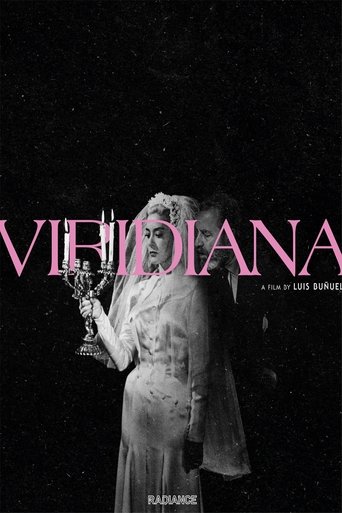
Viridiana (1961)
Buñuel's Spanish film also confronts piety, desire and domestic power, but with surreal cruelty where Picazo chooses restraint.

See its influence
Peppermint Frappé (1967)
Saura takes the same theme of provincial repression into a more stylised mode, with a woman changing the pattern of a household.
Jump forward
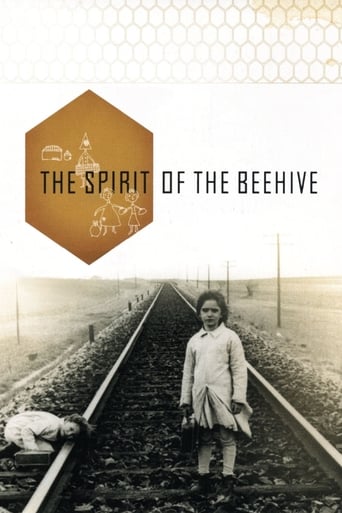
The Spirit of the Beehive (1973)
Erice's film continues the tradition of reading Spanish society through silence, childhood and domestic interiors.
Follow the idea
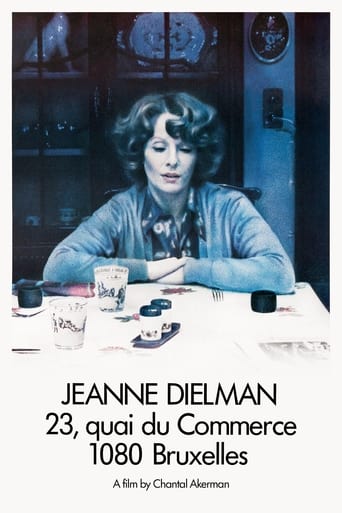
Jeanne Dielman, 23, quai du Commerce, 1080 Bruxelles (1975)
Another austere study of a woman whose domestic routine holds back what lies beneath it.