Drama · War
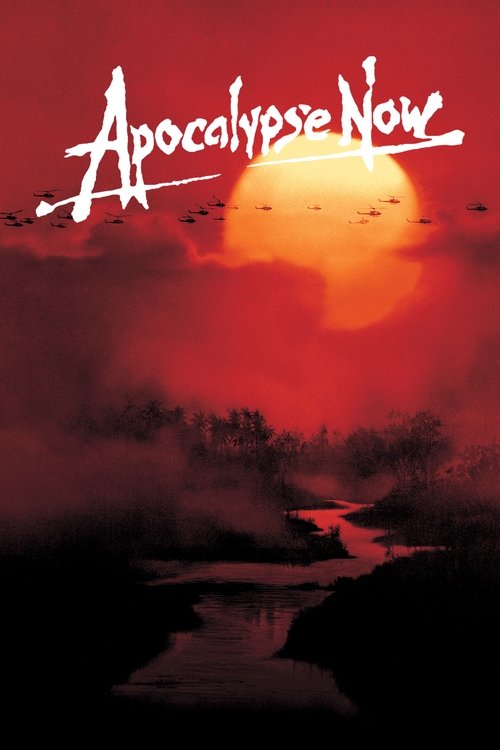
Apocalypse Now
American
1979 · Directed by Francis Ford Coppola · 147 min


Drama · War
American
1979 · Directed by Francis Ford Coppola · 147 min






Meaning, unpacked
Central idea
The film can be read as an inquiry into how war strips away the moral frameworks that justify it. A mission to remove an officer who has abandoned restraint exposes how thin the line is between sanctioned and unsanctioned violence.
What it means
Willard is sent upriver to end the command of Colonel Kurtz, an officer who has abandoned restraint. But the longer the journey goes on, the thinner the line looks between sanctioned violence and unsanctioned violence. Kurtz is meant to be the aberration, yet his excesses mirror the logic of the war. They don't oppose it. The institution sending Willard to stop the madness seems unhinged itself.
Drawing on Conrad, the film asks whether moral order is real, or just a thin layer that cracks under pressure. Orders, maps and chains of command lose their meaning, until the crew has a mission nobody can justify. Willard drifts into an uneasy kinship with Kurtz, so the trip becomes a confrontation with what he might become. And the film implicates you too. In the helicopter attack, Wagner's music and Kilgore's cheerfulness turn an assault into grotesque pageantry, thrilling and terrible at once. If you felt the pull, that is the point.
Why it mattered
Apocalypse Now arrived as a culminating work of New Hollywood, the director-driven studio era of the 1970s, and fixed the Vietnam War in the popular imagination as a surreal, morally disorienting experience rather than a conventional combat story. Instead of battles and strategy, it used a river voyage, dreamlike set pieces and Willard's film-noir-style voice-over to ask what war does to perception and morality.
It also changed what a mainstream film could do with light and sound. Vittorio Storaro's colour, shadow and haze made a world both physical and dreamlike, and won the Oscar. Walter Murch built a layered, multichannel soundscape, also an Oscar winner, and his credit as sound designer gave sound an authorial role, comparable to cinematography.
Before anyone tells you what to think: what did you make of it?
Log in to rate it and leave commentsIt takes one click with Google or an email link. You come straight back here.
Rate it, keep your notes, and find the next film.
Free, no ads. Your journal, your lists, a Cine Guide that remembers you.
Create your free spaceIt shaped the look and sound of later war films, from Platoon and Full Metal Jacket onward, and made immersive sound design central to blockbuster cinema. Its helicopter assault and river-journey structure are echoed in film, television and games. Kilgore's line about napalm in the morning and Kurtz's whispered horror became everyday shorthand, and Ride of the Valkyries now sounds like overwhelming force.
It premiered unfinished at Cannes in 1979 and shared the Palme d'Or with The Tin Drum. Critics were split over the ending but praised its scale, imagery and sound, and it was a commercial success despite its costs. Early doubts about the last section have faded, and it is now seen as one of the great American films of the 1970s. Debate continues over its treatment of Vietnamese characters and its vantage point.
What happens
Willard reaches Kurtz's compound and, during a ritual sacrifice, kills him. The villagers lower their weapons and let Willard walk away. He leaves with Lance, and the military radio keeps calling. He takes no orders from it.
The last image
Willard's boat drifts away from the compound while the radio keeps calling out to him.
Three readings
What it says
The ending refuses a clean victory. Killing Kurtz removes the aberration but not the madness that made him, and Willard has seen how thin the line between order and horror is. Nothing is resolved because nothing can be.
Or follow an idea from this film


See what influenced it
Aguirre, the Wrath of God (1972)
Herzog's river voyage into jungle obsession offers a different, rawer take on the same journey-into-madness structure.
Compare another approach
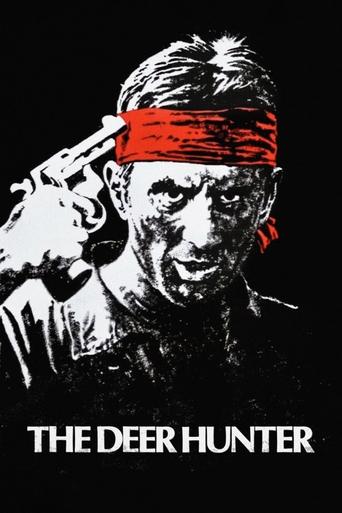
The Deer Hunter (1978)
Released the year before, it approaches Vietnam through trauma and friendship, grounded in realism rather than hallucination.
See its influence
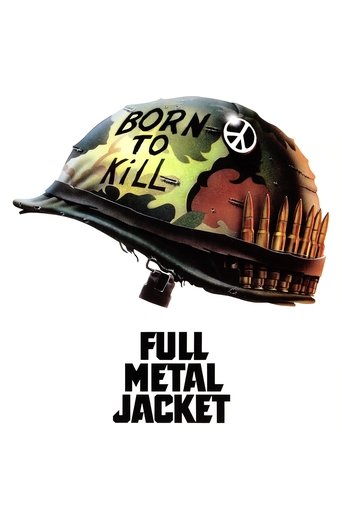
Full Metal Jacket (1987)
Kubrick's cooler, more formal Vietnam film shows how the war's absurdity could be treated in a very different style.
Continue the director
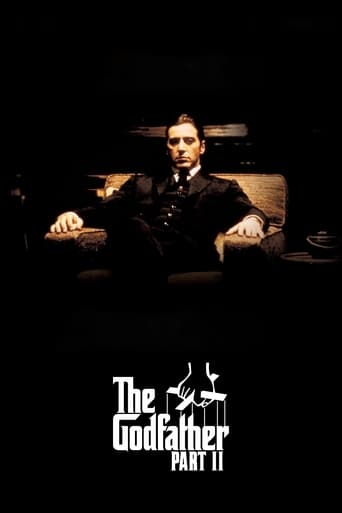
The Godfather Part II (1974)
Coppola's other 1970s peak shows his command of epic structure and moral decline, using a different tone and setting.
Explore the era or movement
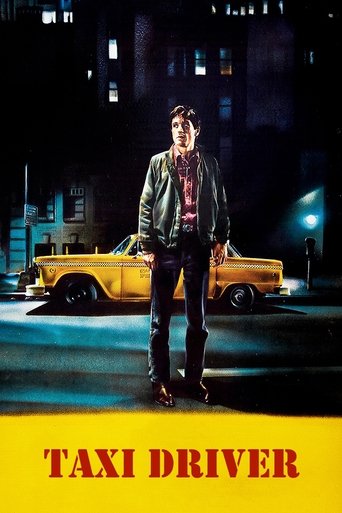
Taxi Driver (1976)
Another New Hollywood study of a damaged Vietnam-era veteran, showing how the decade's films dealt with disillusion.