Drama
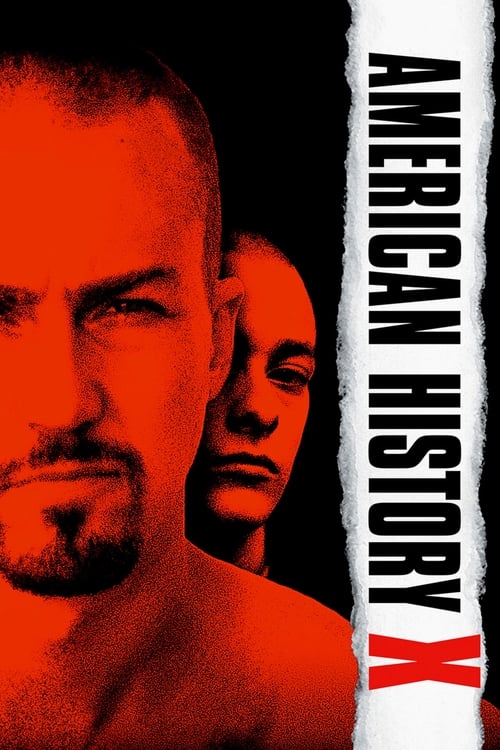
American History X
American
1998 · Directed by Tony Kaye · 119 min


Drama
American
1998 · Directed by Tony Kaye · 119 min
Meaning, unpacked
Central idea
The film can be read as an argument that hatred is taught, inherited and passed between people rather than innate, and that it can also be unlearned, though only at great cost, and perhaps not in time.
What it means
Derek leaves prison changed, tries to pull his younger brother out of the movement he built, and is too late. But the film is really about how a person gets there, and what it costs to leave. Its central idea is that hatred is taught. It is inherited and passed between people, not born in them. You see it at the dinner table, where a father's bitterness and Derek's answer show views moving from one generation to the next.
The film is honest about why the movement appeals: it offers belonging, status and an explanation for personal pain. You are meant to feel that pull, so that you understand it. Then comes the curb stomp, shot without glamour, showing what the ideology actually produces. Derek changes not through force but through human contact. One person's kindness can undermine an ideology where punishment cannot. Yet his change cannot undo the damage already done, and the ending shows violence spreading beyond anyone's intention.
Why it mattered
In the late 1990s, American cinema rarely looked hard at racist violence and the culture that recruits for it. This film brought both into mainstream cinema, and it treated the movement as a family and community problem rather than a cartoon of evil. It refused easy answers: hatred can be unlearned, but only at great cost, and perhaps not in time.
It also looked different. The present is in colour and the past in black and white, which reverses the usual convention. The past feels less like nostalgia and more like stark, permanent memory. Cuts between timelines build tension, and slow motion lingers on moments of violence and of grace. Edward Norton's performance, with its controlled stillness, made Derek magnetic and frightening, and earned the film's one Academy Award nomination.
Before anyone tells you what to think: what did you make of it?
Log in to rate it and leave commentsIt takes one click with Google or an email link. You come straight back here.
Rate it, keep your notes, and find the next film.
Free, no ads. Your journal, your lists, a Cine Guide that remembers you.
Create your free spaceReviews were largely positive, with Norton widely praised and the film's directness about racism discussed at length. Some critics found the ending too neat or the style heavy-handed. It did modestly at the box office, and the fight over the cut overshadowed it in the press. Its reputation has grown since, through home video, classrooms and online discussion.
It helped set a template for later dramas about radicalisation and redemption, and many films and series that treat extremism through family and personal history follow the path it marked. It is often used to talk about racism, hate groups, prison, and how young people are drawn into extremist movements and leave them. There is a warning here too: some viewers admire the early, charismatic Derek and ignore the film's critique. Clips circulate out of context online. A film about learned hatred can itself be misread. Its last ask is simple: notice who is teaching, and who is listening.
What happens
The morning after Derek persuades Danny to leave the movement and rewrite his essay, Danny is shot dead in a school bathroom by a Black student he had clashed with. Derek's change comes too late.
The last image
Derek holds Danny's body while Danny's voiceover finishes the essay, ending on Lincoln's plea that we are not enemies, but friends.
What it says
Hatred is learned and passed on, and unlearning it can't undo what it has already set moving. The film ends on this loss, and on Danny's words, so you notice who is teaching and who is listening.
Or follow an idea from this film

Compare another approach
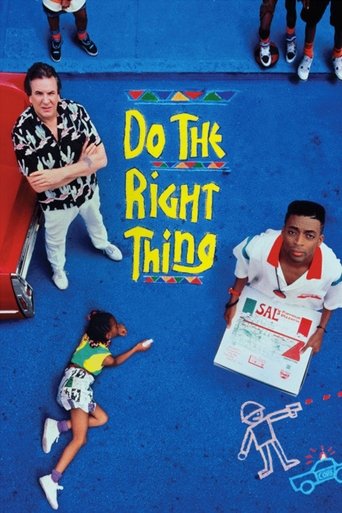
Do the Right Thing (1989)
A more open-ended and formally playful look at racial conflict in a single American neighbourhood, useful for comparing how two films handle similar material.
Follow the idea
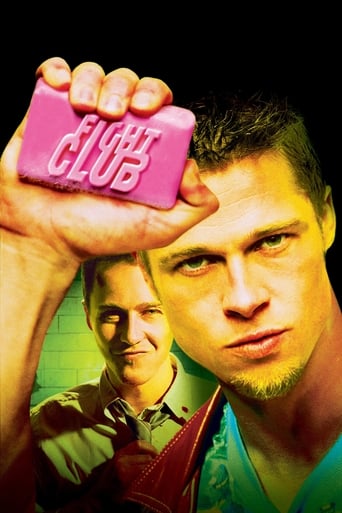
Fight Club (1999)
Norton again, in a film about masculine anger and the pull of a charismatic movement, made a year later with very different style.
Explore the era or movement
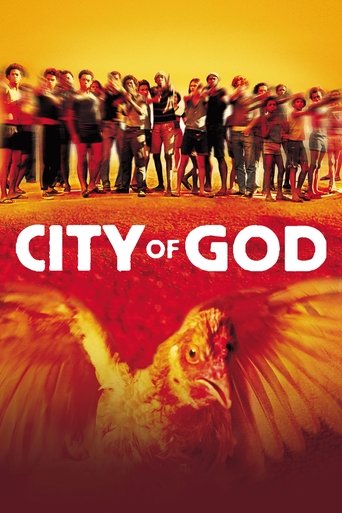
City of God (2002)
A hard drama about violence passed between young people in a poor community, made a few years after this film.
See what influenced it
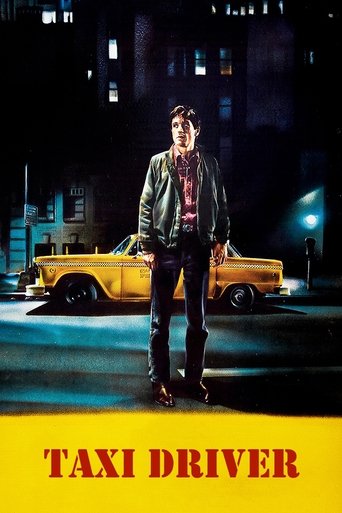
Taxi Driver (1976)
A key predecessor for stylised portraits of violent men whose worldview is shown from the inside.
Jump forward
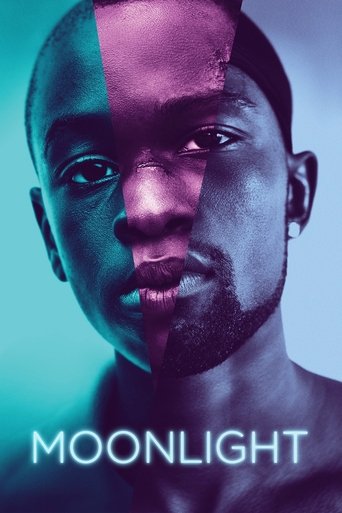
Moonlight (2016)
A quieter modern American drama about identity, masculinity and the way environment shapes a young man's choices.