Drama
American Beauty
American
1999 · Directed by Sam Mendes · 122 min


Drama
American
1999 · Directed by Sam Mendes · 122 min













Meaning, unpacked
Central idea
The film can be read as an argument about the difference between appearing successful and actually being awake to life. Its suburban characters chase image, status and control, while the film keeps looking for moments of unforced beauty and real attention.
What it means
A man in midlife decides to stop sleepwalking through his days. His rebellion tangles him up with his family, his neighbours and a teenage girl, and it ends in violence. But the plot is not the point. One good reading is that the film separates two things: appearing successful and actually being awake to life.
Nearly everyone here chases image, status and control. Carolyn keeps her home perfect. Frank keeps his discipline rigid. Underneath, there is fear, desire and shame. Lester's rebellion is funny, selfish and sad all at once, and the film treats his wish to feel alive again as both understandable and dangerous. Against all this, Ricky's video of a plastic bag moving in the wind is the film's plainest statement: beauty, here, is attention. Lester's closing reflection moves the tone from satire to acceptance, so the film becomes a lesson in noticing life, not just a takedown of suburbia.
Why it mattered
On release in the autumn of 1999, American Beauty was a critical and commercial success. It brought the suburban-discontent story of The Graduate and Blue Velvet to a mainstream audience just before the new century. Critics praised its tone, performances and look, though some found its view of suburbia too neat.
It earned eight Oscar nominations and won five: Best Picture, Director, Actor for Kevin Spacey, Original Screenplay and Cinematography. It was the first Best Picture win for DreamWorks, a studio founded in 1994. It was also the first feature for Sam Mendes, a celebrated stage director, and the breakthrough script for Alan Ball, who came from television.
Before anyone tells you what to think: what did you make of it?
Log in to rate it and leave commentsIt takes one click with Google or an email link. You come straight back here.
Rate it, keep your notes, and find the next film.
Free, no ads. Your journal, your lists, a Cine Guide that remembers you.
Create your free spaceIts images and habits spread quickly. Red rose petals and a dancing plastic bag became shorthand, widely quoted or parodied. Lester quitting his job, lifting weights and chasing a teenager's attention became a template for the midlife-crisis story. It helped set the pattern for the suburban-discontent dramas that followed, including Little Children and Mendes's own Revolutionary Road. Thomas Newman's percussive sound was widely imitated in trailers and quirky dramas, and Ball's success led to Six Feet Under.
Today its standing is more divided. The craft, the score and the ensemble are still admired. But many viewers now find the satire familiar. Allegations against Kevin Spacey in 2017 changed how many people see the film, and Lester's fixation on a teenage girl is discussed far more critically. It is often cited in debates about separating art from its makers, and remains a defining, much-argued film of its moment.
What happens
Lester backs away from Angela and comforts her like a father, then sits in his kitchen smiling at a family photograph. Colonel Fitts shoots him from behind. Lester's narration returns, grateful for the beauty he finds in what remains.
The last image
Lester's narration continues over images of the people he leaves behind, as he reflects on the beauty in his short life.
What it says
The ending is clear: Lester dies the moment he is finally awake. Fitts's shot comes from fear, not villainy. The film closes in gratitude, not mockery, saying that noticing small, ordinary beauty matters more than success or status.
Or follow an idea from this film


See what influenced it
Blue Velvet (1986)
Lynch's nightmare version of the American suburb is the clearest ancestor of American Beauty's mix of beauty, sex and menace beneath tidy lawns.
Follow the idea
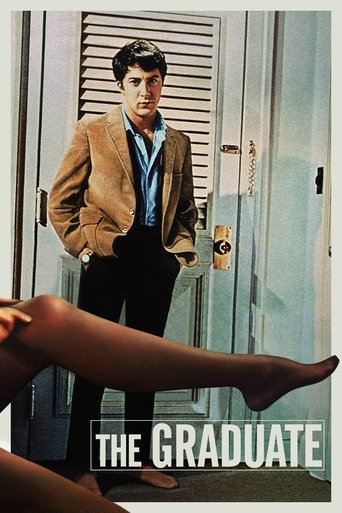
The Graduate (1967)
A classic of American disenchantment with comfortable life, and an earlier example of comedy used to express emptiness.
Compare another approach
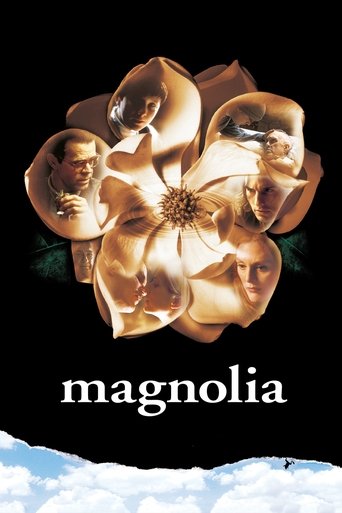
Magnolia (1999)
Released the same year, it also follows interlinked, unhappy Americans, but with sprawling structure and operatic excess instead of American Beauty's controlled satire.
Explore the era or movement
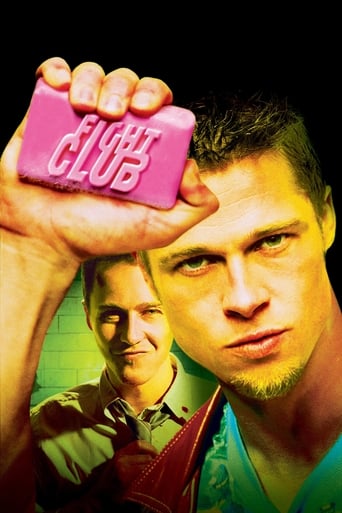
Fight Club (1999)
Another 1999 film about male dissatisfaction with consumer life, far more violent and nihilistic, which shows how differently the year's filmmakers answered similar anxieties.

Continue the director
Revolutionary Road (2008)
Mendes's own return to suburban marriage, in 1950s Connecticut, shows what he does with similar material when the comedy is removed.