Comedy · Drama
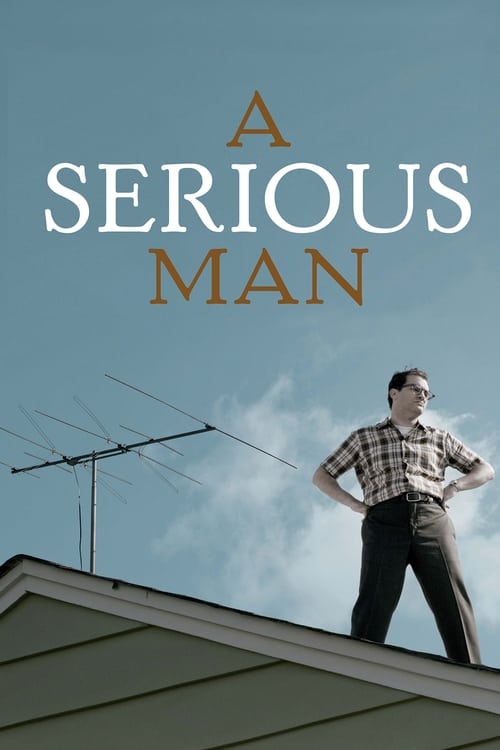
A Serious Man
American
2009 · Directed by Ethan Coen & Joel Coen · 106 min


Comedy · Drama
American
2009 · Directed by Ethan Coen & Joel Coen · 106 min









Meaning, unpacked
Central idea
The film can be read as a modern Book of Job: a decent, passive man suffers a run of troubles and looks for meaning from authorities who have none to give. It asks whether the universe owes us an explanation, and what to do when it does not provide one.
What it means
Larry Gopnik is a decent man in a Jewish suburb in 1967, and his life comes apart piece by piece. He goes looking for someone to tell him why, and nobody can. The easiest way to read the film is as a modern Book of Job: a good, passive man suffers a run of troubles and turns to authorities who have no answers to give. It asks whether the universe owes us an explanation, and what we do when none arrives.
Larry's troubles seem random and deserved at the same time, and the film refuses to say which. The Yiddish folk tale at the start, which the Coens invented, asks whether a visitor is a blessing or a curse. The danger it sets up is certainty: whatever you decide, you might be wrong. The title matters too. Larry is often called a serious man, which sounds like praise, but the film wonders whether being decent and passive is enough, or whether it only invites trouble.
Why it mattered
In 2009 this was a late peak of American auteur cinema, and the Coens' most direct engagement with Jewish identity. It came soon after No Country for Old Men and was their most intimate film, drawn from the Minnesota suburb where they grew up. Their settings, Hebrew school and community atmosphere come from that childhood, though the story is invented.
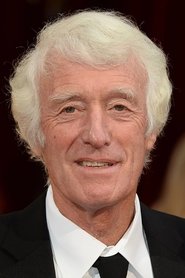
It did this with no familiar stars. Michael Stuhlbarg, a respected stage actor, plays Larry with open-faced bewilderment and never winks at us, surrounded by faces that look and sound like a real community. The comedy comes from embarrassment, bureaucracy and silence, not punchlines. The rabbis, kept behind delays and secretaries, turn spiritual guidance into a satire of bureaucracy, yet the film never mocks the wish for meaning. With Roger Deakins's cold, flat framing and Carter Burwell's sparing score, it looks precise on a small budget.
Before anyone tells you what to think: what did you make of it?
Log in to rate it and leave commentsIt takes one click with Google or an email link. You come straight back here.
Rate it, keep your notes, and find the next film.
Free, no ads. Your journal, your lists, a Cine Guide that remembers you.
Create your free spaceThe film reinforced a strand of small, personal, period-based comedy-drama in American cinema, and encouraged later Coen films about bewildered individuals. Its mix of religion, memory and deadpan helped shape how later filmmakers approached autobiographical settings. Larry himself became shorthand for the decent, bewildered man whose life falls apart for no clear reason, and the film is used in religion, philosophy and Jewish studies discussions of suffering and faith.
At release, critics praised it as dark, funny and unusually personal. It earned two Oscar nominations, for Best Picture and Best Original Screenplay, and won neither. Some viewers found it bleak and frustrating, audiences split over its lack of resolution, and box office was modest. Jewish media debated it at length: some saw affectionate satire, others found its rabbis and neighbours harsh. Today it is often counted among the Coens' best, and the one that most rewards rewatching.
What happens
At Danny's bar mitzvah, Marshak returns the boy's confiscated radio with cryptic words. Larry then gets an urgent call from his doctor, and Danny sees a tornado bearing down on the school. Cut to black. Nothing is explained.
The last image
A tornado is approaching the school, and the screen cuts to black before it arrives.
Three readings
What it says
The ending denies Larry, and you, the answer he has chased all film. Good behaviour guarantees nothing, and no authority can explain why. It closes on the question itself, which is the film's point.
Or follow an idea from this film

Continue the director
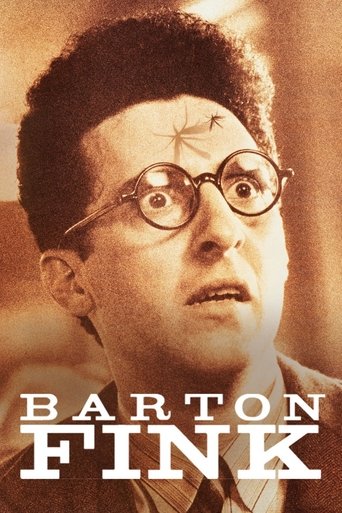
Barton Fink (1991)
Another Coen study of a bewildered man in a strange, claustrophobic world. It is worth comparing how the Coens treat Jewish identity and the absence of answers.
Follow the idea
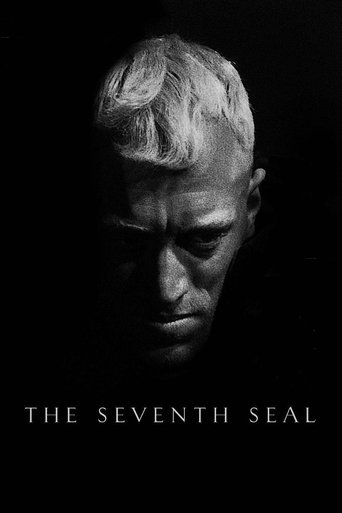
The Seventh Seal (1957)
Bergman's classic confronts the same silence of God, in a medieval setting and with deadly seriousness instead of deadpan humour.
Compare another approach
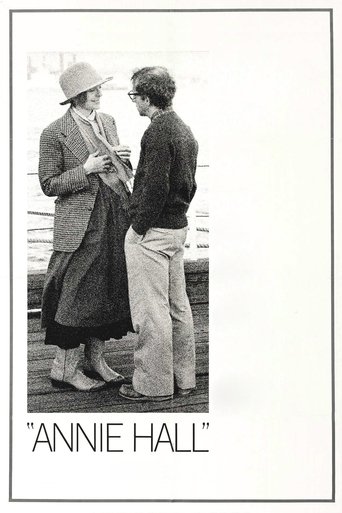
Annie Hall (1977)
Woody Allen's comedy of Jewish-American anxiety makes a useful contrast: more verbal and confessional, where the Coens are austere and parable-like.
Explore the era or movement
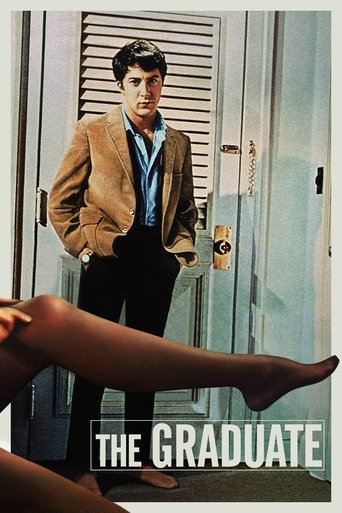
The Graduate (1967)
Released in the year A Serious Man is set, it shows the same American suburban unease and generational drift from a very different angle.
Jump forward
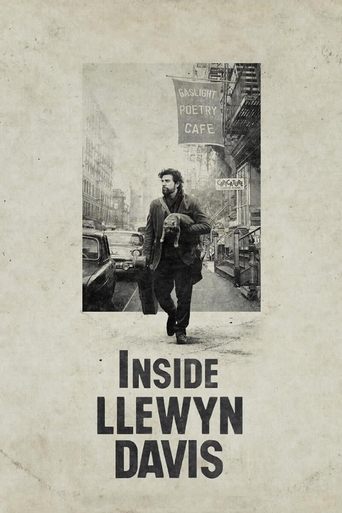
Inside Llewyn Davis (2013)
The Coens' later film shares its period craft and sad comic rhythm, applied to a gifted but struggling folk singer.