Drama · Romance
A Beautiful Mind
American
2001 · Directed by Ron Howard · 135 min


Drama · Romance
American
2001 · Directed by Ron Howard · 135 min










Meaning, unpacked
Central idea
The film can be read as an exploration of how a person makes sense of the world through patterns, and of what anchors someone when those patterns can no longer be trusted. It argues that human connection matters as much as intellect.
What it means
A Beautiful Mind is a film about patterns. John Nash sees them everywhere, in crowds, in light, in the lines of a newspaper. That gift builds his career, and it also becomes the root of his troubles. The film asks how we make sense of the world through patterns, and what holds you steady when they can no longer be trusted.
Its answer is human connection. Intellect matters, but it is not enough. That is why Alicia matters so much. When she opens the shed and sees his secret work with her own eyes, the film's centre of gravity shifts from him to her, and it becomes a story about a marriage. Then comes the girl who does not age. Nash turns his analytical gift on the problem and finds the detail that breaks the illusion. Reason and acceptance work together in a single beat. The film also reconsiders ambition: Nash begins afraid of being ordinary, and ends having learned what recognition is worth.
Why it mattered
Ron Howard keeps you inside Nash's experience for much of the film, with very little objective distance. On a second viewing you can see how carefully the first half was built. It plays fair, and it still misleads you. That was a bold way to put a mind on screen.
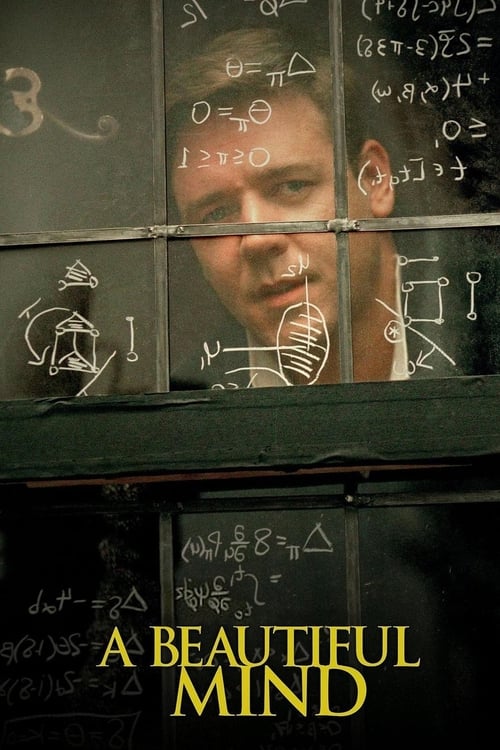
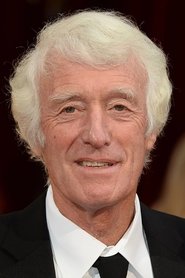
It also found a cinematic language for abstract thought. Roger Deakins films rooms and lecture halls in a clean, classical style, so the unsettling moments stand out. Equations on windows, shifting crowds and cut-out newspaper text make mathematics visible, and James Horner's score uses repeating piano and choral textures that echo pattern. The film opened in December 2001 to strong reviews and won four Academy Awards, including Best Picture and Best Director.
Before anyone tells you what to think: what did you make of it?
Log in to rate it and leave commentsIt takes one click with Google or an email link. You come straight back here.
Rate it, keep your notes, and find the next film.
Free, no ads. Your journal, your lists, a Cine Guide that remembers you.
Create your free spaceThe film helped set a template for the awards-season biopic about a gifted, troubled figure, mixing intellect, romance and subjective storytelling. The Imitation Game and Oppenheimer invite comparison. It also turned Nash from a name known in mathematics and economics into a widely recognised story of recovery, and coverage of his death in 2015 kept returning to it. For many viewers it became a reference point for schizophrenia, though commentators note that its visual hallucinations differ from the voices more typical of the condition.
Today it is still widely watched, and admired for its performances and its effort to dramatise a mind at work. It is also a common case study in how far biographical films may invent or omit. Critics point to its simplified life story and tidy emotional arc. Still, it understood something true: a life is shaped by what we keep choosing, afterward, and by who stays beside us while we choose.
What happens
Years later, Nash still sees the figures but chooses to ignore them. He teaches at Princeton, wins the Nobel Prize, and thanks Alicia in his speech. The ending shows him not cured, but living with what he sees.
The last image
Nash leaves the Nobel ceremony with Alicia at his side, the figures he still sees nearby but unanswered.
What it says
The film ends on choice, not cure. What steadies Nash is Alicia's love, not his intellect, so the ending honours recognition less than it honours who stays beside you while you keep choosing to live.
Or follow an idea from this film


Continue the director
Apollo 13 (1995)
Howard's earlier true-story drama shows his skill at turning real events into clear, emotional storytelling, this time through teamwork and problem-solving.
Follow the idea
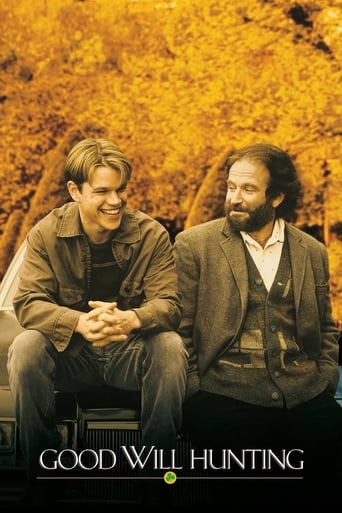
Good Will Hunting (1997)
Another story of a mathematical prodigy, with a more intimate focus on friendship, therapy and the cost of talent.
See what influenced it
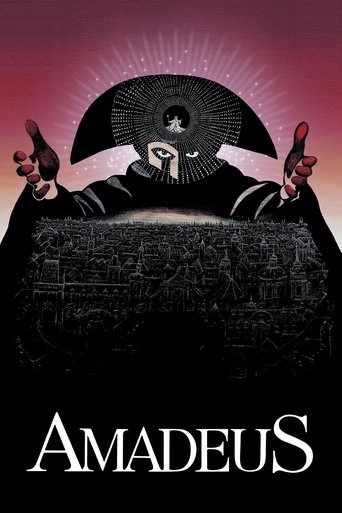
Amadeus (1984)
A biography of genius that takes liberties with history to dramatise ambition, recognition and inner turmoil.

Compare another approach
Shutter Island (2010)
A thriller built around how much the viewer can trust a protagonist's version of events, and a useful contrast in how the same device is used.
Jump forward
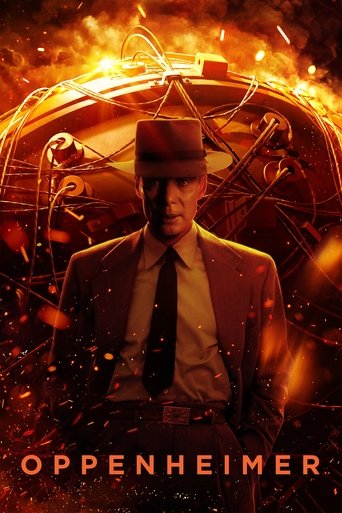
Oppenheimer (2023)
A later biography of a scientist in the Cold War, which uses subjective, fragmented storytelling to render a mind at work.