

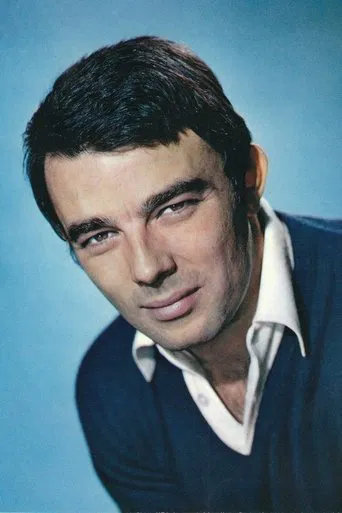
Drama
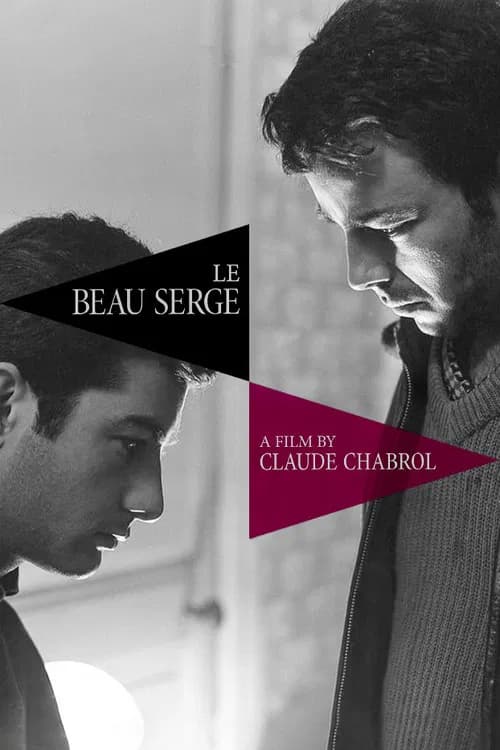
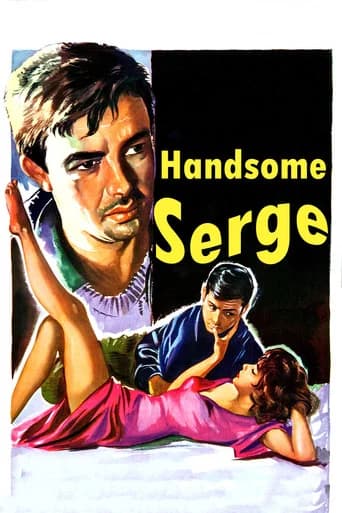
Le Beau Serge
Avg rating 8.0 / My rating TBC
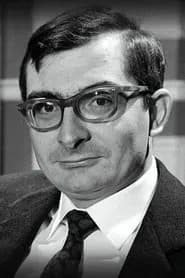
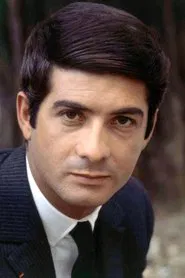
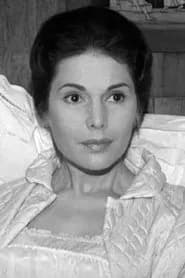
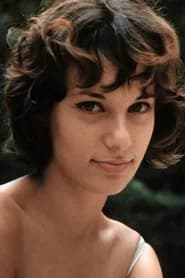
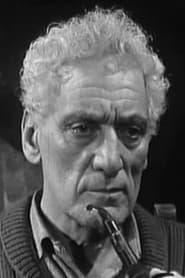
1958 · Directed by Claude Chabrol · With Gérard Blain, Jean-Claude Brialy, Michèle Méritz
- French New Wave
- Art Cinema
- Auteur Cinema
- Melodrama
A young man who left a small village for Paris returns after years away and finds a place, and an old friend, that have changed in ways he did not expect. A quiet, black-and-white drama of friendship, guilt and provincial life, shot on location with a very small crew.
Film info
- Runtime
- 1h 38m · 98 min
- Format
- Black and white, standard flat frame, in French with subtitles. About 98 minutes.
- IMDb
- 7.1 / 10 (4,004 votes)
- Rotten Tomatoes
- 100% (critics)
- TMDB
- 6.9 / 10 (audience, 98 votes)
Before watching
Spoiler-free · about 2 minutes
Short on time? Spoiler-free
A 4-minute summary
Why watch this?
Often cited as the first New Wave feature
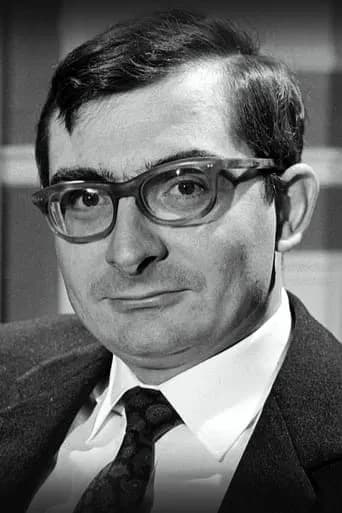
Claude Chabrol's debut reached screens in early 1958, before The 400 Blows and Breathless. It showed that a former Cahiers du cinéma critic could make a feature outside the studio system.
The critic becomes a director
Chabrol was a critic who co-wrote the first book on Hitchcock. Here he applies that thinking to a provincial story, mixing Hitchcockian tension with realist, location-based filmmaking.
Two great young performances
Gérard Blain and Jean-Claude Brialy, as old friends who have drifted apart, carry the film. Their friction gives a simple story real emotional weight.
Why it matters in cinema history
A founding film of the French New Wave, it proved the movement's methods (location shooting, small crews, personal subjects) could produce a finished, distributable feature and opened the way for its peers.
Watch with intention
Your lens
Watch it as a critic's manifesto in practice: a realist village drama staged with the tension and moral pressure of a Hitchcock thriller.
Three things to notice
- How the village is filmed: real streets, houses and weather, with the landscape and winter light acting as a character rather than a backdrop.
- The contrast in how the two leads move and speak, one polished by the city, the other worn down by staying put.
- How the camera lingers on faces and small gestures in group scenes, such as the bar and the church, where the whole community is present.
One question to carry with you
When someone leaves a place and comes back, what does the person who stayed see as a judgement, and what does the person returning actually owe them?
- Dominant style
- French production was dominated by polished, literary studio films, the so-called tradition of quality, which the young Cahiers du cinéma critics attacked as impersonal and stagebound.
- Technology
- Lighter cameras and more sensitive film stock made it possible to shoot in real villages and streets with a small crew and natural light, at a fraction of studio cost.
- Director's moment
- Chabrol had spent the 1950s as a critic, championing Hitchcock and the idea of the director as author. He financed his first film with a family inheritance and made it away from Paris.
- Industry
- Cinema was still controlled by established professionals. A first feature made independently, with young unknown actors, was a real risk and a statement of intent.
Where it came from
Filmmaker
Alfred Hitchcock
Chabrol's critical study of Hitchcock shaped his interest in guilt, moral exchange and tension, which he carried into a realist village setting.
Film
Diary of a Country Priest (1951)
Robert Bresson's austere provincial drama shows a small-town community through faith and suffering, a model for serious French films about rural life.
Movement
Italian Neorealism
Shooting on real locations with ordinary settings and unglamorous subject matter helped the New Wave generation justify leaving the studio.
This film
Le Beau Serge (1958)
New at the timeA critic-turned-director made a personal, location-shot feature about ordinary provincial lives, outside the studio system and with a young cast.
- Country and moment
- France in 1958 was in political turmoil over the Algerian War. The Fourth Republic collapsed that May and de Gaulle returned to power. Postwar prosperity was arriving unevenly, and this was a time of national self-questioning.
- Provincial France
- The film is set in a poor, isolated village. It looks at the gap between Paris and the countryside, where drink, stagnation and lost opportunity were real problems, and where education could separate old friends.
- The filmmaker's situation
- Chabrol was a critic at Cahiers du cinéma and had never directed a feature. He shot in Sardent, the Creuse village where he spent part of his childhood, so the setting was personal. His own background was in provincial pharmacy.
- Funding and independence
- Chabrol financed the film with an inheritance from his wife's family, which let him work outside the established studio system. Its success gave him a way to help fund the early films of his friends, and it is often counted as the first New Wave feature.
- Pace
- Deliberate and low-key. It is a character drama with a slow build, closer to a Hitchcock-flavoured melodrama than a plot-driven thriller.
- Style
- Naturalistic location shooting in a real village, with a mood that grows heavier and more theatrical as the story tightens.
- Performance
- Young, unshowy leads, with some scenes of raw, even uncomfortable emotion. Some supporting performances feel rough, which belongs to its low-budget immediacy.
- Format
- Black and white, standard flat frame, in French with subtitles. About 98 minutes.
- Tone
- Sombre and bleak at times, and a little melodramatic. Not a playful New Wave film like Breathless.
14+
Suggested age
Teens
No official ratings are available. Slow-paced, subtitled, black-and-white drama about alcoholism, grief and bleak adult relationships suits mature teens more than younger children.
Good for
Teens curious about the French New Wave will find a quiet, character-driven study of friendship and small-town life, shot on location with a natural, observational style.
May unsettle
- Mature themes: Alcoholism, grief over a loss, a strained marriage and tensions around pregnancy and family are central to the story.
- Intensity: Heated arguments and drunken confrontations between adults, with a tense, emotionally charged build towards the end.
- Pace: Slow, talky and downbeat. Younger viewers may find it hard to stay with, especially in subtitles and black and white.
- Dated attitudes: Some views of women, drinking and village life reflect the 1950s and may deserve a quick conversation.
Explain first
- It is in French with subtitles and in black and white, so be ready to read along together.
- This is an early French New Wave film, with a loose, realistic style rather than a conventional plot.
- The story deals with addiction as a sad struggle, not a choice to admire, and you may want to say so.
Talk about it after
What do you think makes it hard to help a friend who doesn't want help, and how far should someone go?
Cinespective's own guidance, a draft: check it against the official ratings and your own judgement. Second opinions: Common Sense Media, IMDb (see its Parents Guide). Ratings from TMDB.